Purple Prairie Clover Seeds offer a powerful combination of beauty, resilience, and ecological benefit. This native perennial legume produces distinctive cone-shaped clusters of vibrant purple flowers from early to mid-summer, creating eye-catching displays while actively enriching the soil through natural nitrogen fixation.
Well adapted to North American prairies, Purple Prairie Clover grows 1–3 feet tall and develops deep taproots that improve soil structure, enhance drought tolerance, and support long-term land health. Its ability to fix nitrogen makes it an excellent companion plant in restoration projects, pollinator gardens, and sustainable grazing systems.
Thriving in UK gardens, this hardy wildflower performs well in sandy, loam, or clay soils, provided drainage is adequate. Once established, it forms long-lived colonies that require minimal maintenance. Its strong resilience to grazing pressure makes it especially valuable in areas with deer activity and in diverse pasture or rangeland mixes for livestock.
Soil-Building Beauty for Prairie Landscapes:
- Unique purple cone-shaped flower clusters
- Blooms early to mid-summer
- Compact 1–3 foot growth habit
- Ideal for prairies, meadows, and naturalised plantings
Why Customers Love Purple Prairie Clover:
- Native perennial legume that naturally improves soil fertility
- Nitrogen-fixing roots benefit surrounding plants
- Deep taproots provide excellent drought tolerance
- Highly attractive to native bees, bumble bees, butterflies, and beneficial insects
- Resilient to grazing and deer pressure
- Valuable forage for livestock and wildlife
- Supports authentic prairie restoration and land stewardship
How to Use / How to Grow:
Purple Prairie Clover seeds require scarification and cold stratification for best germination. Lightly rough the seed coat before stratifying, then sow seeds on the soil surface or barely cover them, as light supports germination. Plant in full sun in well-drained soil. Keep soil moist during establishment; once mature, plants are highly drought tolerant. Expect slow initial growth as energy is directed into deep root development, followed by long-term persistence and spreading colonies.







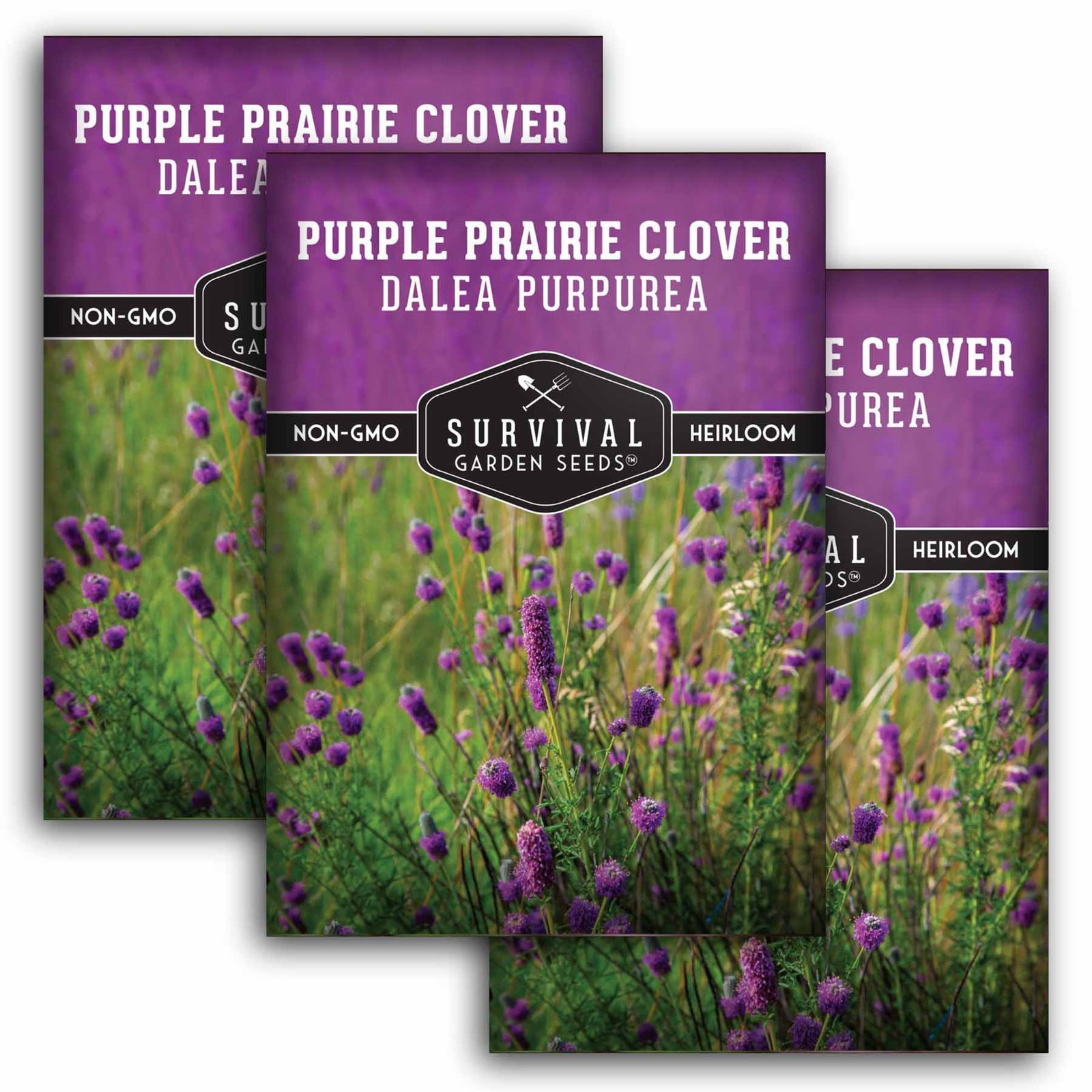
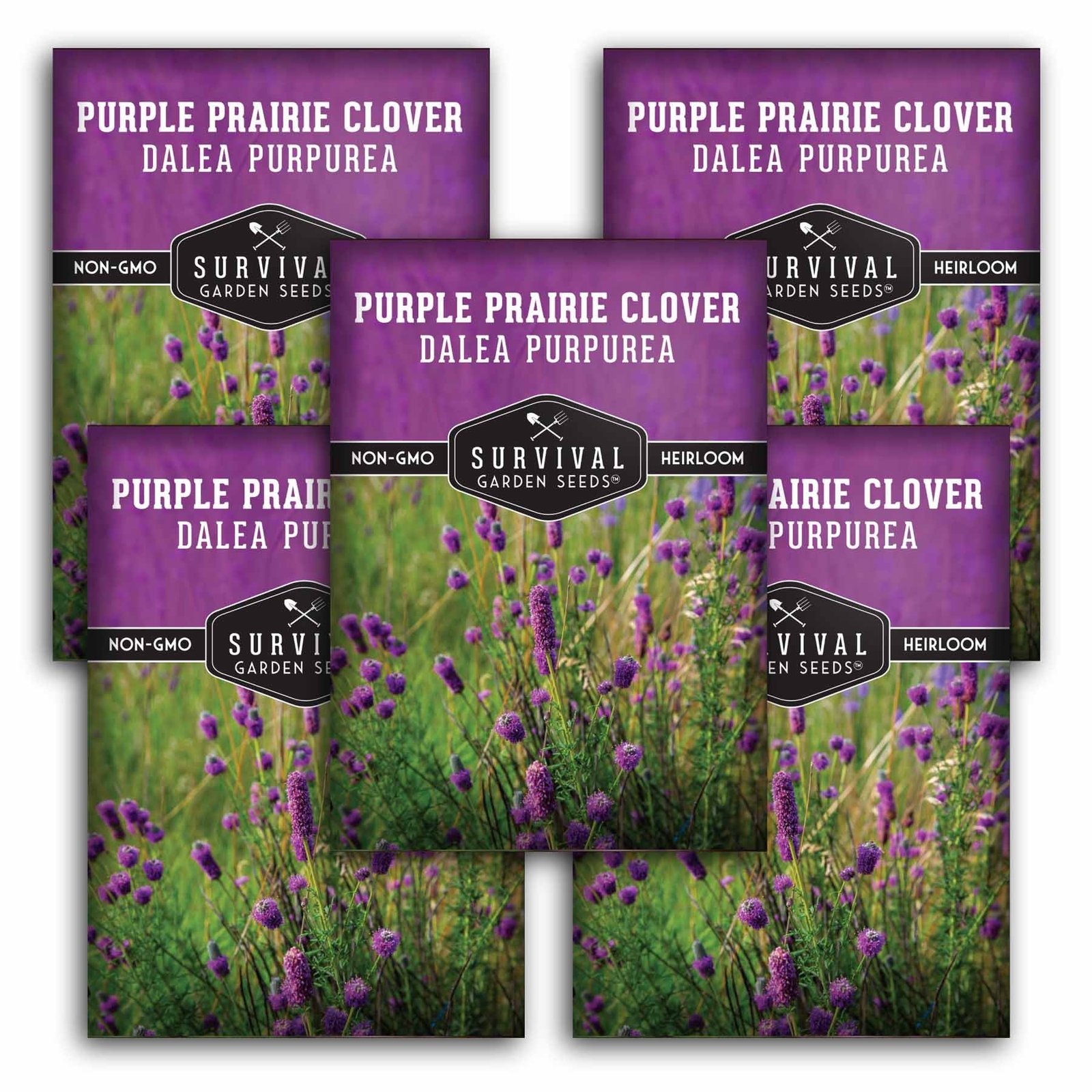





 Purple Prairie Clover Seeds – ...



Reviews
There are no reviews yet.